

Traveling With Kids Isn’t Impossible, they’re just an excuse

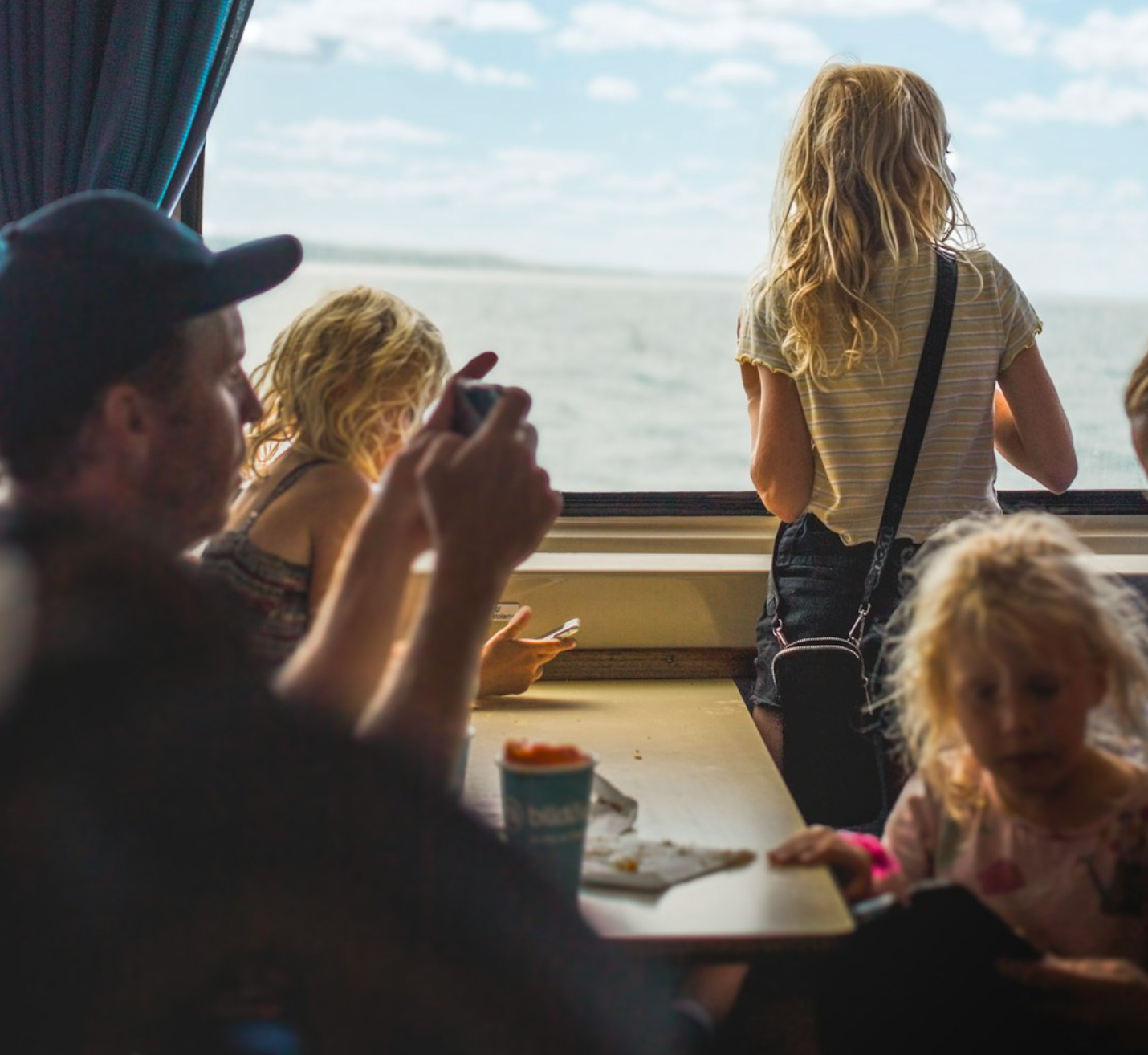
I have a controversial opinion, one that has gotten me side-eyed by family with toddlers: Traveling with kids isn’t impossible.
Hard? Sure. A logistical Rubik’s cube sometimes? Probably. But impossible? Nah.
I don’t have kids yet, but even I can see that sometimes “the kids” become the go-to excuse for adults who just don’t want to take the leap. What they usually mean is:
“I don’t want to deal with the discomfort or unpredictability that comes with real travel.”
This came up immediately in my conversation with Elias Feldman, creator of Go Unpacked, who moved from San Francisco to Mexico with his wife and two sons that are under the age of seven. And the man did not flinch at my controversial take.
He actually shared that his kids actually behave better when they’re out in the world. They argue more when they stay home too long. That alone turns the common narrative upside down.

So where does the “it’s impossible” myth come from?
During my talk with Elias, we discussed that this idea is rooted in comfort culture: predictability, routine, convenience. The moment anything nudges us outside that padded bubble — whether that’s a new country or a new language or a flight with a three-year-old — fear takes over.
And instead of saying “I’m scared of the uncertainty,” people say:
“My kids won’t handle it.”
Except, as Elias reminded me,
kids are wildly adaptable.
More adaptable than adults, honestly.
His sons started school in Mexico knowing zero Spanish and jumped in like little linguistic superheroes. No drama. No disaster. No “they’ll be traumatized forever” meltdown.
They’re fine. Better than fine.
Parents aren’t wrong — travel with kids IS different
It’s slower.
It requires more planning.
You can’t wing it like you can by yourself or with adults.
You can’t pretend you’re backpacking through Laos when you’re actually pushing a stroller through cobblestone streets.
But “different” isn’t the same as “impossible.”
Elias described it as a muscle — the more you travel with kids, the stronger the whole family gets at navigating unfamiliar places, changes in routine, long flights, and the thousand tiny pivots that travel demands.
And honestly? I loved that framing.
Because it removes the guilt, the defensiveness, the “you don’t get it, you don’t have kids” argument I tend to get hit with. It says:
You can get good at this.
Your kids can get good at this.
If you want this life, it’s available to you.
Also… let’s be real about “difficulty.”
Going to an all-inclusive resort in Tulum?
Not the same as navigating Prague with a baby carrier.
One is vacation.
One is travel.
One keeps your comfort bubble intact.
The other asks you to stretch.
Parents know this.
They also know which one they’re actually willing to do.
And it’s okay if they choose the easier one — truly, it is but what I appreciated about Elias is that he didn’t pretend that their ability to travel extensively with small kids was some magical parenting gift bestowed upon them by the universe.
They built the muscle.
They practiced discomfort.
They made the decision to prioritize exploration over convenience.
The real question for families isn’t “Is it possible?”
The real question is:
“Is it important enough to you to tolerate the hard parts?”

For Elias and his family, the answer was a clear yes.
For lots of people, it’s a no and that’s totally fine.
Just own it. Don’t blame the children.
So what do kids and their parents actually need in order to travel well? Elias wrote a great blog about having a list of non-negotiable and one for “everything else.”
Kids adapt beautifully when their parents are honest about what truly matters versus what’s just lifestyle preference dressed up as necessity.
So the real lesson here?
Travel with kids isn’t impossible.
It’s simply uncomfortable at times.
And discomfort isn’t danger.
Discomfort is growth.
Kids already know that.
It’s the adults who need the reminder.
Listen to my full conversation with Elias here:
And have any thoughts about our opinion on this topic? Share below!