

Fast Travel vs. Slow Travel: Why Our Pace Changes Over Time

When you’re in your twenties, travel feels like a race you’re trying to win.
A sprint to see as many countries as possible. It’s a blur of bus stations, hostels, and midnight flights you definitely shouldn’t have booked after a full workday.
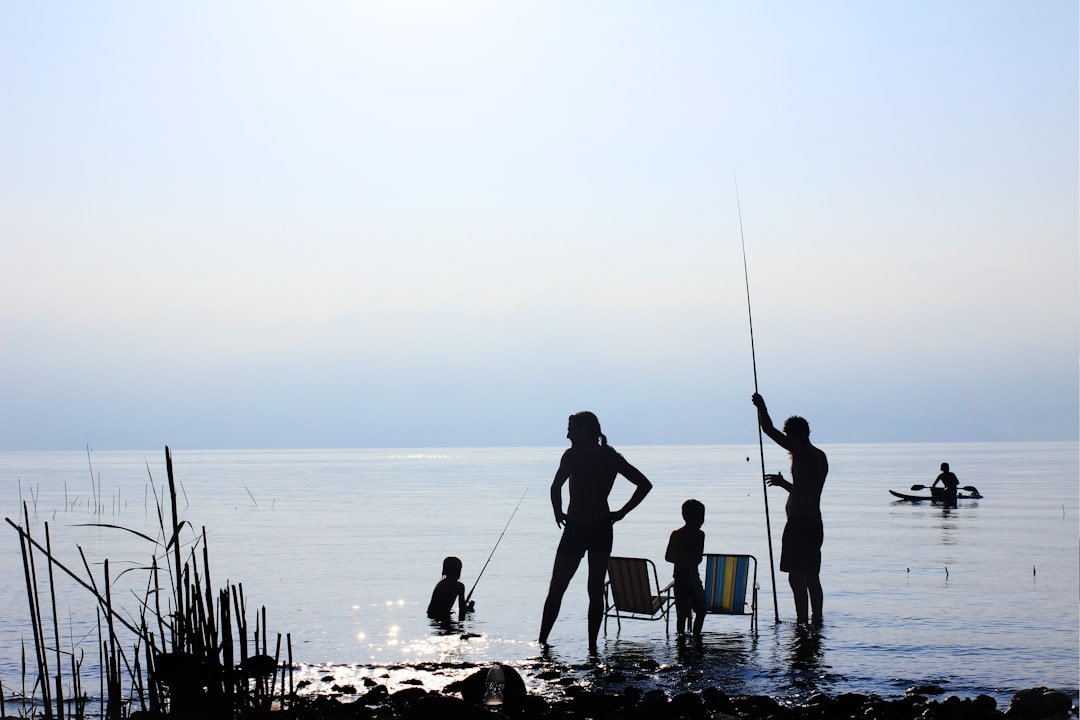
Elias, my guest for an episode used to sprint with the best of them. But today, he is a slow-traveling dad of two. He explained that the way he and his wife traveled pre-kids was more like 2–4 days in a city here, a week there, always on the go, rarely booking accommodation ahead because the best adventures came from spontaneous plans with strangers they met on the road.
Now, with kids, it’s more staying at the same rental for a month to three months when they go travel around. I asked him whether he missed that former pace and the flexibility it comes with it but he didn’t hesitate:
“I wouldn’t go back to the way we traveled in our twenties.”
And I think that’s something nobody tells you:
Your travel identity can change.
Your pace can change.
Your desires should change.

Why Fast Travel Works (When You’re Young)
Fast travel is a young person’s game, and I say that lovingly.
You’re usually:
-
Traveling on vacation time
-
Trying to “fit in as much as possible”
-
Operating with limited money but unlimited energy
-
Willing to sleep on questionable couches
-
Operating from the belief that this trip is your one shot
Of course you stay up drinking at a hostel bar until 2am and then take an 8am train. You can handle ambitious multi-country itineraries.
That pace makes sense when:
-
You don’t have kids
-
You don’t have remote work to balance
-
You don’t have a kitchen and school needs to consider
-
You don’t have a body that rebels when you miss a night of sleep
Fast travel is magical when you have little responsibility and lots of curiosity.
But Then Something Shifts
At some point — for many, it’s around the late 20s or early 30s — you realize:
You can’t handle being up and out all night and exploring all day. Doing multi-country itineraries in a short time span is not so appealing because while you saw more…but you felt less.
Why Slow Travel Hits Different
Slow travel invites:
-
Familiar café owners
-
The grocery store becoming your landmark
-
A favorite walking route
-
A stranger slowly becoming a friend
-
Seeing a place shift from “destination” to “temporary life”
And that’s what Elias and Chanel chose once they became parents.
Not because kids make fast travel impossible — but because slow travel creates a different kind of fulfillment.
They stay 1–3 months at a time.
They build routines.
They get to know places in layers, not snapshots.
Kids certainly influence the pace, but they’re not the limitation.
They’re the reason to approach travel with intention.
The family feel more present and more immersed in the place and culture. You can’t do that in three days. You can’t even do that in a week.
But Here’s the Most Interesting Part
When Elias said he wouldn’t go back to his 20s travel style, he immediately added:
“But I endorse people who want to travel that way.”
There’s no moral superiority in slow travel.
No better or worse.
Just different reasons and different seasons.
That’s the part I think a lot of travel discourse gets wrong — especially online, where people insist you’re “not traveling authentically” unless you live somewhere for six months and buy produce from the same old woman in the morning market.
Travel is personal.
Travel is seasonal.
Travel is shaped by your life stage, not your virtue.
So Which One Is Better?
Fast travel is for breadth.
Slow travel is for depth.
Both can change you, inspire you, expand you. Both are real travel.
The important question isn’t “Which is best?”
The answer is…
What season of travel are you in right now?
What do you want — speed or immersion? Novelty or familiarity? A burst or a soak?
If you’re in a fast-travel phase, love it.
If you’re in a slow-travel phase, savor it.
If you switch between the two — welcome to being human.
Travel isn’t one identity you must pick.
It’s a living rhythm that grows as you do.
Listen to Elias’ full episode here.
Like this blog? Share it with a friend!